
Finance Minister correct on IMF “Governor” role amid reform concerns
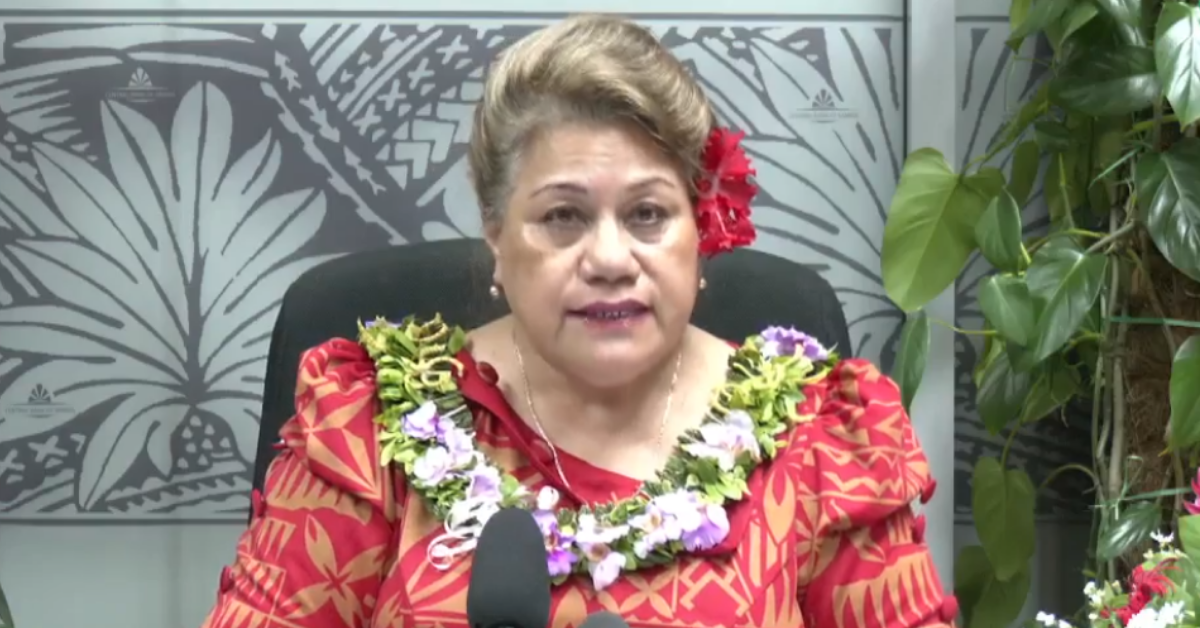
Minister of Finance and Deputy Prime Minister, Anarosa Ale Molio’o, is correct in stating that she serves as the country’s “Governor” to major international financial institutions like the IMF, ADB and World Bank, following public discussion sparked by a warning from the International Monetary Fund (IMF) over proposed financial sector reforms.
The IMF, in recent correspondence, raised concerns about planned amendments to Sāmoa’s Central Bank Act, cautioning that aspects of the reforms could weaken the independence of the Central Bank and potentially increase political influence over financial governance. Issues highlighted reportedly included provisions relating to the tenure and dismissal of the Central Bank Governor, as well as broader governance arrangements.
Speaking at a press conference, Hon. Molio’o said she was surprised by the IMF’s letter, noting that she had not formally written to the institution. She explained that the reform process remains at an internal stage within the Ministry of Finance, with wider consultation, including engagement with international partners such as the IMF, expected to take place later.
During the exchange, the Minister stated that, in her capacity as Finance Minister, she serves as Sāmoa’s Governor at the IMF, as well as at the World Bank and the Asian Development Bank.
The statement has prompted some public debate. However, under the governance structures of these institutions, each member country appoints a Governor as its highest-level representative. This role is most commonly held by a country’s Minister of Finance, particularly in smaller economies such as Sāmoa.
In this context, the title “Governor” does not refer to a leadership or management position within the institutions. Instead, it reflects a formal representative role, including participation in major decisions, voting on key matters, and attending annual meetings. Day-to-day operations are carried out by the institutions’ executive leadership.
Sāmoa’s arrangement follows this established international practice, meaning the Minister’s statement is accurate in terms of institutional roles.
The clarification comes as debate continues over the substance of the proposed reforms themselves. Concerns raised by the IMF and financial sector stakeholders including the Opposition Party (HRPP) relate to issues such as central bank independence, governance structures, and the extent of ministerial oversight, which remain under consideration as the policy process continues.
ATA: Screengrab during Press Conference / Government of Samoa